In the first two weeks of a new season, every coach I have ever worked with says the same thing. They do not have time for individual meetings with their athletes.
I understand it.
Tryouts have just ended. You probably don't know your rotations yet. Playbooks are being installed, or, if you are like me, created. Parents are emailing and calling for information you already gave your players. The practice plan for Thursday is still a mess. And you are supposed to find time for a one-on-one with each of fifteen athletes?
Yes. In fact, that is exactly what you are supposed to do. And it is the single highest-leverage move you will make in the early season.
Here is what I have learned from a career on both sides of this.
The athletes who are hard to coach in February are the hardest to get to know in November. The ones who stop giving effort by January usually didn't feel seen in the first three weeks. The ones who transfer out at the end of the season are the ones someone could have reached if they invested some time early in the season.
The fifteen-minute first meeting prevents all three.
The protocol.
Fifteen minutes per athlete. In the first two weeks of your season. Scheduled, not drop-in. The whole team knows these are coming because you say so on day one, so nobody feels singled out.
Three questions. That is it.
Question 1:What are you hoping to get from this season that has nothing to do with winning or losing?
Most athletes will take a few seconds, then say something you did not expect. Confidence, belonging, or being seen as a leader. Proving something to themselves. Working through something hard at home. The answer is the most useful piece of information you will get about this player all year.
Question 2:What is going on outside of basketball right now that I should know about?
This is the one most coaches seldom ask, because it feels intrusive. The ones who do show their athletes that they care about them beyond what they can do with a basketball. A sick parent, a new school, parents getting a divorce, or facing a family move. A kid who is quietly struggling with their own identity. You don't know until you ask. And you cannot coach a person you do not know. Fifteen minutes will get you more than fifteen practices.
Question 3:How do you want to be coached? What has worked in the past, and what hasn’t?
You are not asking for permission. You are opening a channel. The athletes who feel comfortable telling you “I shut down when you yell at me in front of my teammates” are the ones you can reach when it matters. The ones who never get that chance go cold on you by Christmas, and you never know why.
What to do with what you hear.
This is the important part. Write it down on one index card per athlete. Three bullet points outlining their answers. Keep the stack in your office.
Reference it. Three weeks later, when you check in on the hard thing at home. Six weeks later, when you remind them of what they said they wanted from the season. Ten weeks later, in the hallway after a bad practice, “you told me you learn best when I pull you aside, so let’s do that right now.”
The point is not the meeting. The point is what the meeting makes possible for the rest of the year.
Why this is the right week.
If your season is already underway, you still have the window. Pre-Christmas is when relational investment pays the highest interest. By January it is damage control. By February it is too late.
Fifteen minutes times fifteen athletes is three hours and forty-five minutes. One Saturday morning. Or three days of ten-minute slots before practice. However you fit it in, you fit it in now, before the season turns and you no longer have the luxury of time.
Three questions. Fifteen minutes. One index card.
That is the whole tool.
The coaches who build great teams are seldom the ones with the best X’s and O’s. They know their athletes and coach them accordingly.
Podcast Episode of the Week
I am going to share some of my favorite coaching podcasts each week. I have been keeping a list of the best podcasts for five years, so there's plenty to choose from.
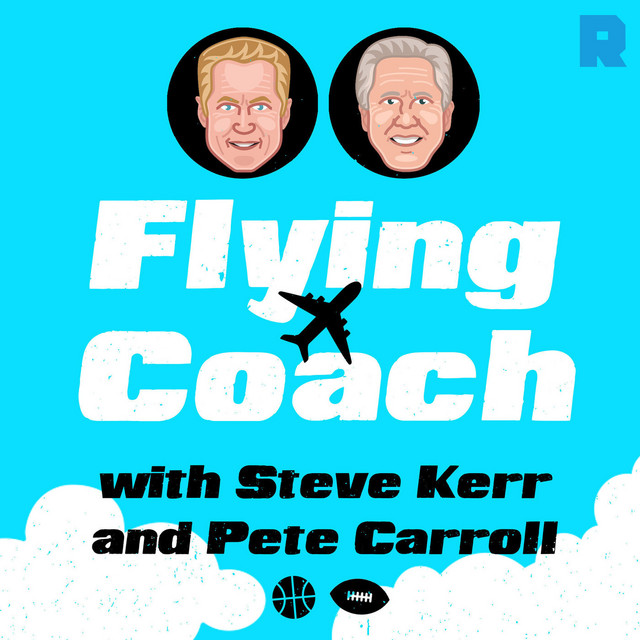
This episode from the COVID-19 Quarantine (that feels like it was a lifetime ago) is from the Flying Coach podcast. Steve Kerr and Pete Carroll talk about coaching and the importance of building a clear coaching philosophy.
Are you or your athletes struggling to be their best?
Let's find a solution together.
I help coaches thrive.
As a Certified Mental Performance Consultant and basketball coach with 25+ years of experience, I understand the barriers to peak performance for both you and your athletes.
I would love to help you or your team build a competitive advantage.
Here are a few ways I can help:
- Consult with your team or coaching staff
- Teach mental skills to your team via Zoom
- Work 1-on-1 with coaches
- Work 1-on-1 with athletes
Book a Free Discovery Call
If you’re feeling the weight of expectations, pressure, or burnout, you don’t have to figure this out alone.
A discovery call is a chance to talk through your season, your goals, and your process with another coach who’s been there. No pitch. No obligation. Just a meaningful conversation.
Schedule a discovery call here.
Shoot me an email at jasonpayne@evolutionmpc.com. I love talking about coaching and seeing how I can help you.
Coaching is hard; let's make it easier.
Have A Great Weekend.